

Direct primary care Florida is a healthcare model where patients pay a flat monthly membership fee directly to their physician for unlimited access to routine medical services without insurance intermediaries. This approach offers residents personalized care through longer appointments and transparent pricing; it bypasses traditional insurance for primary services to prioritize the doctor-patient relationship.
If you have ever spent weeks waiting for a routine appointment, received a surprise medical bill, or felt rushed through a visit with a doctor who barely knows your name, you are not alone. Millions of Florida patients deal with these frustrations every year, and many are quietly searching for a better way to access care. Direct primary care is a growing model that is changing how people in Fort Myers and across Florida experience medicine, and it may be exactly what you have been looking for. In this guide, you will learn how direct primary care works, what it typically includes, how it compares to traditional insurance-based care, and how to decide whether it is the right fit for your health and financial situation.
What Is Direct Primary Care, Exactly?
Direct primary care is a straightforward arrangement: you pay your doctor directly, typically through a flat monthly or annual membership fee, and in return you get comprehensive primary care without insurance billing involved. No co-pays at the door, no explanation-of-benefits statements arriving weeks later, and no insurance company guidelines shaping what your doctor recommends for you. The financial relationship is between you and your provider, full stop.
In practical terms, this changes how a practice operates at a fundamental level. Traditional primary care doctors often manage panels of 2,000 or more patients to stay financially viable under insurance reimbursement rates. DPC physicians deliberately keep their panels much smaller, typically in the range of 300 to 600 patients. That smaller load translates directly into longer appointments, same-day or next-day access in most cases, and a provider who can genuinely track your health history over time rather than scanning your chart in the hallway before walking in.
Two common misconceptions are worth clearing up. First, DPC is not health insurance. It does not cover hospitalizations, specialist visits, or emergency care. Second, DPC is not the same as concierge medicine, which typically layers a premium membership fee on top of standard insurance billing and often costs significantly more. Direct primary care in Florida is designed to be accessible and transparent, not a luxury add-on.
How Direct Primary Care Differs From Traditional Insurance-Based Care
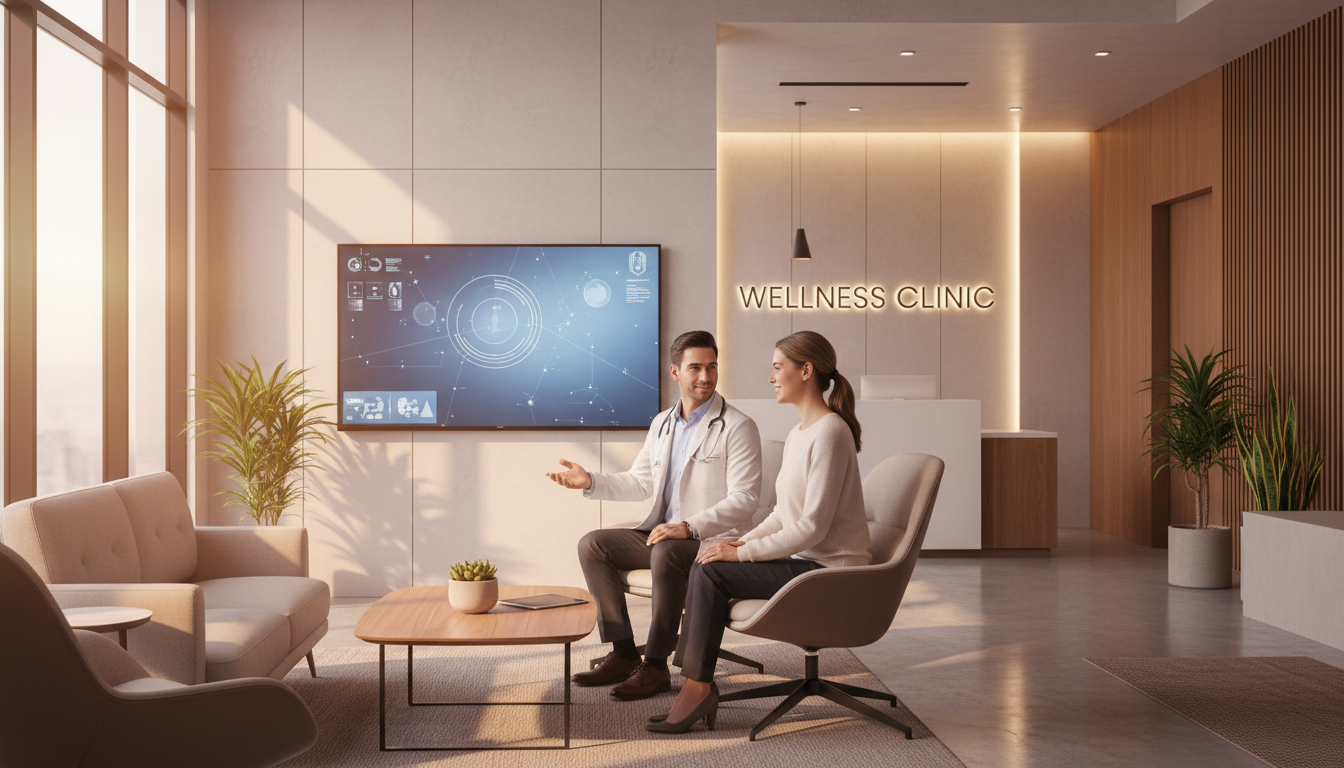
Understanding why DPC works differently requires a look at how traditional insurance-based care is structured. In a fee-for-service model, a physician gets paid per visit, per procedure, and per billing code submitted to an insurer. The financial pressure that creates is predictable: see more patients, move faster, document for reimbursement. Research consistently shows that the average primary care visit in the US lasts between 7 and 15 minutes, and a meaningful portion of that time is spent on documentation rather than the patient sitting in front of the doctor.
DPC removes that incentive structure entirely. Three differences stand out in practice.
Cost transparency. A DPC membership has a flat, predictable fee. You know your monthly number before the month starts, with no surprise bills arriving after the fact.
Direct access. Rather than calling a scheduling line and waiting two or three weeks for an opening, DPC patients typically reach their provider by phone, text, or telehealth appointments with flexible after-hours scheduling within hours. For patients in Fort Myers and surrounding communities who have dealt with overcrowded urgent care centers, that responsiveness is a practical difference, not a marketing claim.
A real relationship. Because DPC panels stay small, your provider knows your labs from six months ago, your goals, and your hesitations. That continuity matters significantly for chronic disease management and metabolic optimization, where context and history directly affect clinical decisions.
In short, traditional insurance-based care optimizes for billing efficiency. Direct primary care in Florida optimizes for the patient.
What Services Are Typically Included in a DPC Membership?
So what does a DPC membership actually get you? The core of any DPC practice is unlimited or near-unlimited primary care access, which in practice means you are not rationing your appointments or skipping a follow-up because of a co-pay. Preventive care and annual wellness exams are included, as is direct messaging with your provider between visits, lab result reviews, and care coordination when you need a referral or specialist.
For patients managing ongoing health conditions, that baseline coverage is where DPC tends to deliver the clearest value. Chronic disease management and metabolic optimization are central to what Oceanside Primary Care and Wellness offers, including management of conditions like type 2 diabetes, hypertension, thyroid disorders, and metabolic dysfunction. Hormone therapy services are also part of the practice's scope, which is a meaningful differentiator for patients dealing with hormonal imbalances or age-related hormone changes that often go underaddressed in standard primary care. All of this is delivered through telehealth appointments with flexible after-hours scheduling, so access does not depend on clearing your afternoon calendar.
What DPC does not cover is equally important to understand. Specialist visits, hospitalizations, surgical procedures, and emergency care fall outside the membership. This is not a gap in the model; it is by design. Most DPC patients in Florida pair their membership with a high-deductible or catastrophic insurance plan to cover those lower-probability, higher-cost events, keeping total healthcare spending predictable without sacrificing coverage when it matters most.
Is Direct Primary Care a Good Fit for Self-Pay Patients in Florida?
That design, where primary care costs are flat and predictable, maps well onto the financial reality many Southwest Florida residents are actually living. Florida consistently ranks among the states with the highest rates of uninsured and underinsured adults, and communities like Fort Myers, Cape Coral, Lehigh Acres, and Bonita Springs have a substantial concentration of self-employed contractors, freelancers, seasonal workers, and early retirees who no longer have access to employer-sponsored coverage.
For those patients, the traditional alternative is often paying significant monthly premiums for a plan with a high deductible they may never meet, effectively paying twice: once for coverage and again out of pocket for actual care. A DPC membership flips that calculus. The monthly fee covers the primary care services most people actually use regularly, including chronic disease management and metabolic optimization, lab reviews, and direct provider access, at a cost that does not fluctuate month to month.
The self-pay model also removes a layer of friction that discourages people from seeking care in the first place. When there is no co-pay barrier and no surprise bill arriving later, patients are more likely to reach out about a concern early rather than waiting until it becomes a larger problem. Oceanside accepts HSA funds, cash, and credit card payments, keeping the process straightforward for patients who are managing their own healthcare spending.
This model also suits patients who are tired of cycling through urgent care clinics with no continuity. A DPC practice builds a longitudinal record of your health, which matters far more than most people realize until they actually have it.
Telehealth and Direct Primary Care: A Perfect Match for Fort Myers Residents

The self-pay model addresses the financial side of healthcare access. Telehealth addresses the logistical side, and in Southwest Florida, the logistical barriers are real.
Fort Myers, Cape Coral, Lehigh Acres, and Estero are spread across a wide geographic footprint. A patient in Lehigh Acres seeing a provider in central Fort Myers can easily lose two hours of a workday to a routine follow-up, particularly during summer months when afternoon thunderstorms routinely disrupt traffic across Lee County. For patients managing ongoing conditions like hypertension or metabolic dysfunction, those frequent check-ins add up. Telehealth DPC removes that friction entirely: a medication review or lab discussion happens from wherever you are, on a schedule that actually fits your day.
Snowbirds face a different version of the same problem. A patient who spends summers in Ohio and winters in Fort Myers traditionally loses continuity of care at both ends of the trip. With a telehealth-based DPC practice, that relationship and that medical history travel with you.
What makes telehealth appointments with flexible after-hours scheduling at Oceanside particularly practical is the after-hours availability. Traditional primary care practices in Florida rarely offer evening or weekend appointments, which means working adults routinely end up at urgent care for issues their primary care provider could have handled. A telehealth DPC visit is also structurally different from a rushed in-person encounter; with a smaller patient panel and no insurance clock running, there is time to actually work through what brought you in.
How to Use DPC Alongside Insurance or an HSA

The logistics question that stops many patients from exploring DPC further is simpler to resolve than it appears. Joining a DPC practice does not require dropping your current coverage.
The most financially efficient combination, particularly for self-employed Floridians, pairs a DPC membership with a high-deductible health plan (HDHP). The HDHP carries a lower monthly premium and covers catastrophic events, hospitalizations, and specialist care. The DPC membership handles everything you actually use on a regular basis: primary care visits, chronic disease management and metabolic optimization, lab reviews, and direct provider access. Because an HDHP qualifies you to contribute to a Health Savings Account, you can fund your DPC membership with pre-tax HSA dollars, which meaningfully reduces the real cost. Oceanside accepts HSA payments, so that path is straightforward.
For patients who are currently uninsured or underinsured, DPC functions well as standalone care when your primary needs fall within what a primary care provider handles: managing a chronic condition, metabolic health, hormone therapy services, or routine wellness visits. This is the model that makes the most sense for many of the seasonal workers and early retirees across Lee County who simply do not have an employer plan available.
A third option worth knowing: DPC pairs cleanly with health sharing ministries or short-term plans, which cover major medical events at lower premiums than traditional insurance. Each arrangement has tradeoffs, but the consistent thread is that direct primary care Florida patients are not choosing between coverage and care; they are layering them strategically.
What to Look for When Choosing a Direct Primary Care Practice in Florida
Choosing strategically matters because not all DPC practices are structured the same way. Here are five criteria worth evaluating before committing to a membership.
Provider specialization. A DPC membership delivers the most value when the provider's clinical focus aligns with your actual health needs. If you are managing a metabolic condition, dealing with hormonal symptoms, or trying to get diabetes under control, a generalist who touches everything lightly is less useful than one with genuine depth in chronic disease management and metabolic optimization or hormone therapy services. Ask directly about the conditions they see most often.
Access and response time. A core DPC promise is that you can reach your provider without navigating a phone tree or waiting weeks for a callback. Clarify the specifics: Is direct messaging available? What is the typical response window? A practice that is vague on this point is worth pressing.
Scheduling flexibility. After-hours and weekend availability is uncommon in traditional Florida primary care, but it is a meaningful differentiator for working adults. Oceanside Primary Care and Wellness offers telehealth appointments with flexible after-hours scheduling, which is worth noting as a practical benchmark.
Fee transparency. Ask for a complete fee schedule before signing anything. A legitimate DPC practice will state its costs clearly with no hidden charges attached.
Telehealth capability. For patients who travel, work long hours, or live outside central Fort Myers, telehealth-first access is not a convenience feature; it is the core of the model.
Start Your Direct Primary Care Journey in Fort Myers
If you have made it this far, you already understand the framework. The practical next step is a conversation.
Oceanside Primary Care and Wellness is accepting new patients across the Fort Myers area, with telehealth appointments with flexible after-hours scheduling that fit around your actual life. If your primary concerns involve chronic disease management and metabolic optimization or hormone therapy services, those are areas where Oceanside has focused clinical depth, not just general familiarity.
Starting with a comprehensive evaluation means your provider understands your history, your goals, and your gaps before anything else. That foundation is what makes direct primary care Florida patients describe so differently from their previous healthcare experiences. Oceanside accepts HSA funds, cash, and credit cards, and transparent pricing means you will know your costs before committing.
This does not have to be an all-or-nothing decision. Reach out with questions, and find out whether it fits.