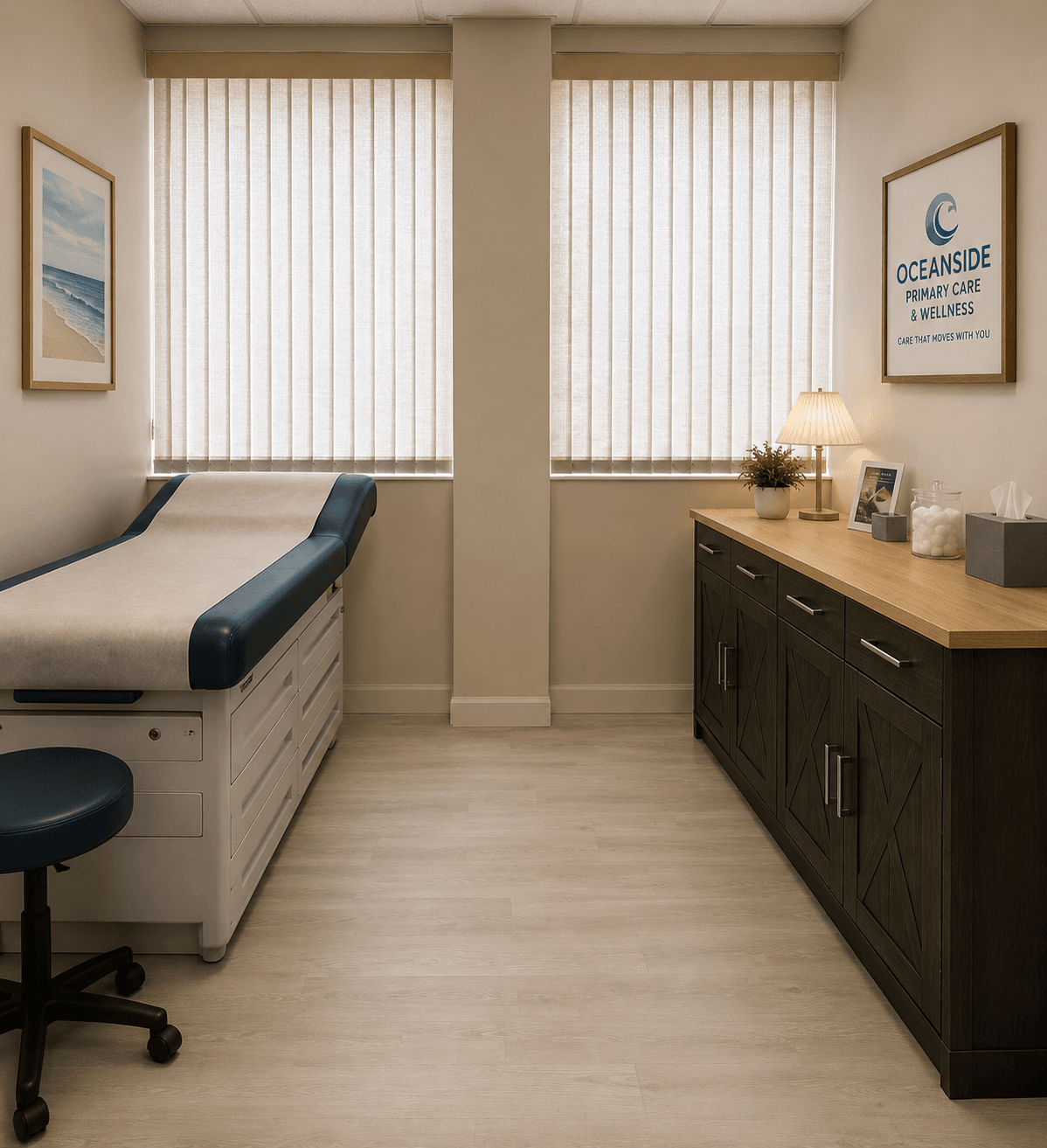
Direct primary care offers patients significant benefits like longer appointment times, same-day access, and fixed monthly fees without insurance red tape. While patients must still maintain separate coverage for emergencies or specialist visits, evaluating direct primary care pros and cons shows it is often a cost-effective choice for those seeking personalized, high-quality primary treatment.
Navigating the traditional healthcare system in Southwest Florida often feels like a series of compromises; you trade hours in a waiting room for a mere ten minutes of a physician’s time. This fragmented approach frequently leaves Fort Myers residents feeling like another line item on a billing statement rather than a valued patient. At Oceanside Primary Care and Wellness, we believe medicine should prioritize the individual, not the insurance provider. Direct Primary Care offers a membership based alternative designed to restore that foundational relationship. This guide explores the practical advantages of the model, such as enhanced access and transparent pricing, alongside the necessary considerations regarding specialized coverage and catastrophic insurance integration. By examining the financial breakdown and local provider expectations, you will gain the clarity needed to decide if this innovative model aligns with your long term wellness goals.
Understanding the Direct Primary Care Model in Southwest Florida
Direct Primary Care (DPC) represents a fundamental shift in how residents across Fort Myers and Lee County access healthcare. At its core, DPC is a membership-based model that removes the insurance middleman from the exam room. By cutting out the administrative burden of billing codes and complex claims, the focus returns entirely to the patient. This structural change allows for a more transparent approach to how we handle insurance and self-pay by focusing on what the patient actually needs rather than what a third-party payer dictates.
Many people confuse DPC with concierge medicine, but the two are distinct. While concierge practices often charge high annual retainers for elite perks, DPC is built on affordability and accessibility. It provides a way for individuals to access high-quality direct primary care services through a predictable monthly fee. This model makes proactive health management available to a broader range of patients, including those with high-deductible plans or those who are self-employed.
For a practice like Oceanside Primary Care and Wellness, this model is particularly vital for treating complex issues like metabolic syndrome or chronic disease. Insurance-based clinics often force providers into 15 minute appointments to meet volume quotas. DPC breaks that cycle. With flexible pricing options and a relationship-first approach, we can dedicate the time required for comprehensive evaluations and long-term metabolic optimization that a traditional office simply cannot accommodate.
The Pros of Direct Primary Care: Why Patients are Switching

The transition toward Direct Primary Care is driven by a desire for a more functional, patient centered experience that traditional insurance models often struggle to provide. While evaluating direct primary care pros and cons, many patients find that the benefits of this model solve the most common frustrations in modern healthcare: lack of time, poor communication, and unpredictable costs.
One of the most significant advantages is the extension of appointment times. In a standard insurance based clinic, providers are frequently limited to 15 minute windows. This is insufficient for managing complex conditions like hypothyroidism or metabolic syndrome, which require detailed discussions about lab results, lifestyle adjustments, and medication titration. DPC allows for 30 to 60 minute consultations, ensuring that no symptom is overlooked and every question is answered. This time facilitates a proactive approach to metabolic optimization rather than a reactive approach to acute illness.
For busy professionals in Lee County, flexible scheduling makes staying on top of care far easier than with a traditional clinic. At Oceanside Primary Care and Wellness, you can meet in person at our Fort Myers office or use telehealth as a convenience option when life gets busy. Either way, there is no commute through traffic when a virtual check-in makes more sense on a given day. This same flexibility means direct access to the provider through secure messaging, phone, or video, which fosters a continuous dialogue rather than a series of disconnected episodes of care.
Flexibility and transparency further define the DPC experience. Traditional practices often operate strictly within 9 to 5 hours, forcing patients to take time off work for routine follow ups. At Oceanside Primary Care and Wellness, flexible after hours scheduling accommodates the reality of a demanding professional life. Furthermore, flexible pricing options remove the anxiety of surprise medical bills. Patients know exactly what their monthly membership covers, including:
Comprehensive metabolic and hormone evaluations
Personalized chronic disease management plans
Direct communication with the provider without a middleman
Transparent, predictable self pay rates for those using HSA, cash, or credit
This structure ensures that the focus remains on long term health outcomes rather than the volume of patients seen in a day.
The Cons of Direct Primary Care: What to Consider Before Joining
While the benefits of personalized attention are clear, a balanced look at direct primary care pros and cons requires addressing its limitations. The most critical point to understand is that a DPC membership is not health insurance. It does not provide coverage for hospitalizations, major surgeries, or emergency room visits. For patients in Southwest Florida who are accustomed to traditional HMO or PPO structures, this distinction is vital for long-term financial planning.
A common criticism of this model is the perception of double paying. Many patients still maintain a traditional insurance policy to cover catastrophic events or expensive specialist care. Adding a monthly membership fee on top of an insurance premium can feel redundant to some. However, this perspective often shifts when looking at the quality of care received. At Oceanside Primary Care and Wellness, the membership acts as a high-value layer of health management that traditional plans often fail to provide.
When evaluating how we handle insurance and self-pay, it becomes clear that DPC is best utilized alongside a high-deductible health plan or a health savings account. This combination ensures that routine metabolic health and chronic conditions are managed with expertise and time, while the insurance remains a safety net for unpredictable, high-cost medical crises. This model is not a one-size-fits-all solution; it is designed for those who prioritize deep provider relationships and proactive wellness over the fragmented, volume-based care typical of the standard insurance system.
Is Direct Primary Care Worth It? A Financial Breakdown

Determining if a membership model is a sound investment requires looking beyond the monthly fee. When patients ask if direct primary care is more expensive, the answer depends on how you value your time and total out-of-pocket exposure. In a traditional diagnostic setting in Fort Myers, a single visit often involves an insurance copay, a separate facility fee, and potentially several hours of lost productivity while navigating Lee County traffic. For a professional, those lost billable hours or vacation days are a direct financial hit.
Expense Type | Traditional Insurance Model | DPC (Oceanside Model) |
|---|---|---|
Monthly Membership | $0 | Flat Monthly Fee |
Per-Visit Copay | $30 to $100+ | $0 |
Facility/Admin Fees | Often $50 to $200 | $0 |
After-Hours Access | Varied or Unavailable | Included |
By utilizing flexible pricing options, patients gain a predictable line item in their budget. This eliminates the billing anxiety that often prevents people from seeking care for a developing issue. When considering direct primary care pros and cons, the financial benefit is most evident in chronic disease management. For instance, optimizing metabolic health to avoid a $3,000 emergency room visit for a cardiovascular crisis provides a significant return on investment that far outweighs a monthly fee.
Florida residents often find additional value by utilizing Health Savings Accounts (HSA) or Flexible Spending Accounts (FSA) for direct primary care services. While the IRS has specific nuances regarding the classification of membership fees versus specific clinical services, the ability to use pre-tax dollars for comprehensive evaluations and how we handle insurance and self-pay can lower the overall cost of care. Over a year, the investment in a DPC relationship typically pays for itself by catching metabolic shifts early and reducing the need for high-cost specialist interventions or long-term reliance on expensive pharmaceuticals later in life.
What Direct Primary Care Does Not Cover
Understanding the limits of this model is essential for a realistic view of direct primary care pros and cons. While a membership covers your clinical relationship and primary healthcare management, it does not include high-tech imaging such as MRIs or CT scans; nor does it cover visits to the emergency room or inpatient hospital stays. Specialist consultations, such as those with an oncologist or cardiologist, remain outside the scope of the monthly membership fee.
However, the lack of coverage for these outside services does not mean you are left to navigate the healthcare system alone. At Oceanside Primary Care and Wellness, we serve as a healthcare quarterback. Because we operate outside the insurance bureaucracy, we help patients find the lowest cash-pay prices for direct primary care services and ancillary needs in the Fort Myers area. Many local imaging centers and labs offer significant discounts to patients who pay at the time of service rather than billing insurance.
By identifying these transparent rates, we often help patients save more on a single diagnostic test than the cost of several months of membership. We also provide guidance on how we handle insurance and self-pay to ensure that if you do have a high-deductible plan, it is reserved for the true medical catastrophes it was designed to cover. This coordination ensures that your flexible pricing options for primary care are complemented by the most cost-effective choices for external specialty care.
How to Choose a DPC Provider in Fort Myers

Selecting the right provider in Southwest Florida requires moving beyond a simple search for the nearest office. Because the heart of this model is the patient-provider relationship, your choice should hinge on alignment across four key areas:
Clinical Philosophy: Determine if the practice focuses on reactive "sick care" or proactive metabolic optimization. If you are managing chronic conditions like insulin resistance or hormonal imbalances, prioritize a provider who emphasizes comprehensive evaluations and long-term health outcomes.
Access and Communication: Evaluate the delivery model. A telehealth-only approach eliminates the need to navigate Fort Myers traffic, while after-hours availability is essential for those with demanding professional lives.
Financial Transparency: Review their flexible pricing options upfront. You should understand exactly what the membership includes and how it fits into your budget before signing an agreement.
The Personal Connection: Most reputable practices offer an initial consultation or "meet and greet." Use this time to gauge if the provider listens actively and understands your specific health goals.
By vetting these factors, you ensure that the direct primary care services you receive are tailored to your lifestyle. While weighing the direct primary care pros and cons, remember that the ultimate goal is a stable partnership. Understanding how we handle insurance and self-pay helps clarify the financial commitment, but the provider’s expertise in chronic disease management and their communication style are what will ultimately drive your health success.
Deciding if Direct Primary Care is right for you involves balancing the benefits of personalized attention with your specific health requirements. This model offers Fort Myers residents a way to prioritize their well-being through direct access and longer appointments. If you want expert help determining the best path for your healthcare journey, you can review our full list of Services online. We are here to provide the guidance and care needed to help you achieve your long-term wellness goals.